
Audio Restoration Examples That Save Family Voices
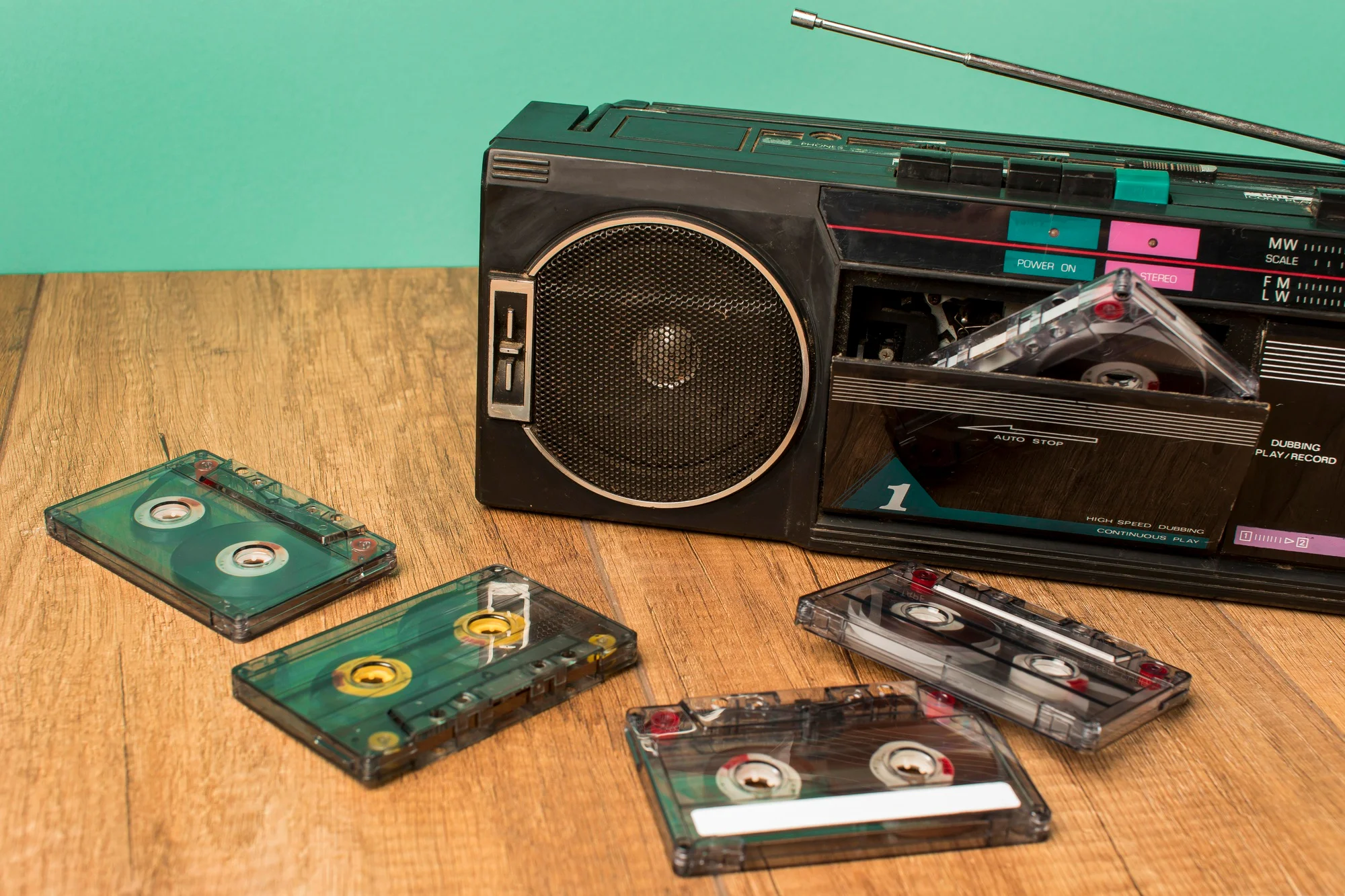
A cassette can look perfectly ordinary until you press play and hear a grandfather telling a story, a child practicing piano, or a loved one leaving a message that no one has heard in years. These audio restoration examples show why old recordings deserve more than a quick transfer. Careful restoration can make treasured voices easier to hear while protecting the character and history of the original recording.
Audio restoration is not about making an old tape sound as if it was recorded in a modern studio. The goal is to reduce distractions, stabilize problems caused by age, and preserve the moments that matter. Some recordings need only a gentle cleanup. Others need tape repair, specialized playback equipment, and patient work to recover usable sound.
Audio Restoration Examples: What Careful Work Can Change
Every recording ages differently. Heat, humidity, dust, weak batteries, stretched tape, worn cassette shells, and outdated recording equipment can all affect playback. The right approach depends on the format, its condition, and what is most important to the family or organization preserving it.
A Hissing Cassette of Family Stories
Cassette tapes often carry a steady background hiss. On a recording made in a living room or at a family reunion, that hiss can sit on top of every voice and make quiet speakers difficult to understand. A careful restoration can reduce the most distracting noise, balance the volume between speakers, and bring speech forward without making it sound harsh or artificial.
There is a trade-off. If noise reduction is pushed too far, voices may begin to sound watery, dull, or unnatural. The best result is not always total silence between words. It is a recording that still sounds like a real family gathering, only clearer and easier to enjoy.
A Warbling Camcorder Audio Track
Older camcorders captured birthdays, school plays, vacations, and weddings with sound that was often affected by tape movement. When the tape speed varies slightly during playback, voices can wobble or music can seem to rise and fall in pitch. This is commonly heard on aging VHS, VHS-C, Hi8, and other videotape formats.
A proper transfer starts with the correct machine and a close inspection of the tape. In some cases, a skilled technician can improve unstable playback and correct portions of the audio after digitizing the recording. Not every fluctuation can be removed, especially when the original tape is badly worn, but even a partial improvement may make a ceremony, speech, or performance much more watchable.
A Recorded Interview With Hum and Electrical Buzz
Home recordings, oral histories, church programs, and community interviews sometimes have a low hum underneath the voices. This can come from electrical interference, recording equipment, or cables used at the time. The hum may be especially noticeable when no one is speaking.
Restoration can identify and lower those unwanted frequencies while preserving the warmth of a person’s voice. This type of work is especially valuable for veterans’ recollections, family-history interviews, and recordings of relatives whose stories may exist nowhere else. The aim is to help listeners focus on the words, not the equipment noise surrounding them.
A Faded Reel-to-Reel Performance
Reel-to-reel tapes can hold remarkable recordings: a parent singing in a band, a school concert, a radio appearance, or a rehearsal from years ago. They can also be fragile. Tape may shed, become brittle, or require careful handling before it can be played safely.
When the recording is stable enough to transfer, restoration may include correcting uneven volume, reducing excessive hiss, and adjusting the tonal balance so music and speech are more natural. A thin-sounding recording might benefit from added warmth, while a muffled one may need careful clarity adjustments. The work should respect the performance rather than reshape it into something it never was.
A Voicemail or Answering-Machine Message
Short recordings can carry enormous emotional weight. A saved answering-machine tape, microcassette, or telephone message may include the only remaining voice of a loved one. These recordings are often quiet, compressed, and covered by mechanical clicks or background noise.
Because the source is limited, expectations should be realistic. Restoration cannot create detail that was never captured. It can, however, improve intelligibility, reduce distractions, and preserve the message in a dependable digital file before an aging machine or tape fails. For many families, hearing even a few clear words again is worth the effort.
What Restoration Can and Cannot Fix
The strongest audio restoration examples are honest about the limits of the source material. Digital tools can reduce hiss, hum, crackle, and some distortion. They can help level sudden volume changes and make speech easier to follow. But they cannot fully recover a voice hidden beneath severe damage, restore missing sections of tape, or turn a distant recording into a close microphone recording.
Physical condition matters just as much as digital cleanup. A cassette with a broken leader, a reel with loose tape, or a videotape with mold needs attention before playback. Running a damaged tape through the wrong machine can cause further loss. That is why irreplaceable media should not be treated like an ordinary playback tape from a thrift store.
It also helps to remember that the original recording has value. A little room noise, the click of a camera, or laughter in the background may be part of the memory. Removing every imperfection can sometimes remove the feeling of being there. Good restoration makes intentional choices about what to reduce and what to leave intact.
From Fragile Recording to a File You Can Share
Restoration begins with preservation. Before any filtering or adjustment, the recording needs a careful digital transfer. This creates a working copy and helps protect the original media from repeated playback. Families can then keep the digital version on a computer, external drive, or other storage method that fits their needs.
For an important recording, it is wise to keep more than one copy in more than one location. A digital file is easier to share with children, siblings, and relatives across the country, but it still needs basic care. Clear file names can make a large family collection far more useful. Instead of “Tape 12,” a name such as “Grandma Rosa birthday message, 1994” helps future generations understand what they have.
The format also matters. A high-quality preservation file is useful for long-term keeping, while a smaller, convenient copy may be better for listening on a phone or sending to family members. There is no single answer for every archive. A favorite interview may deserve the highest-quality master available, while a collection of casual recordings may call for practical, easy-to-use copies.
When Professional Help Makes Sense
A simple, healthy cassette may transfer without much difficulty. But professional help is often the safer choice when a recording is unique, damaged, moldy, unusually formatted, or emotionally irreplaceable. It is also valuable when you do not have the correct player or cannot tell whether a tape is cassette, microcassette, reel-to-reel, MiniDV, or another format.
At Hernandez Video, careful handling is part of preserving the memory, not an extra step. With more than 35 years of experience across aging media formats, the focus is on giving each recording the best practical chance of being heard again, then delivering digital results that families can actually use.
The best time to preserve an aging recording is while it can still be played. Set aside the tapes that make you pause, label what you know, and begin with the voices you would most want your family to hear years from now.