
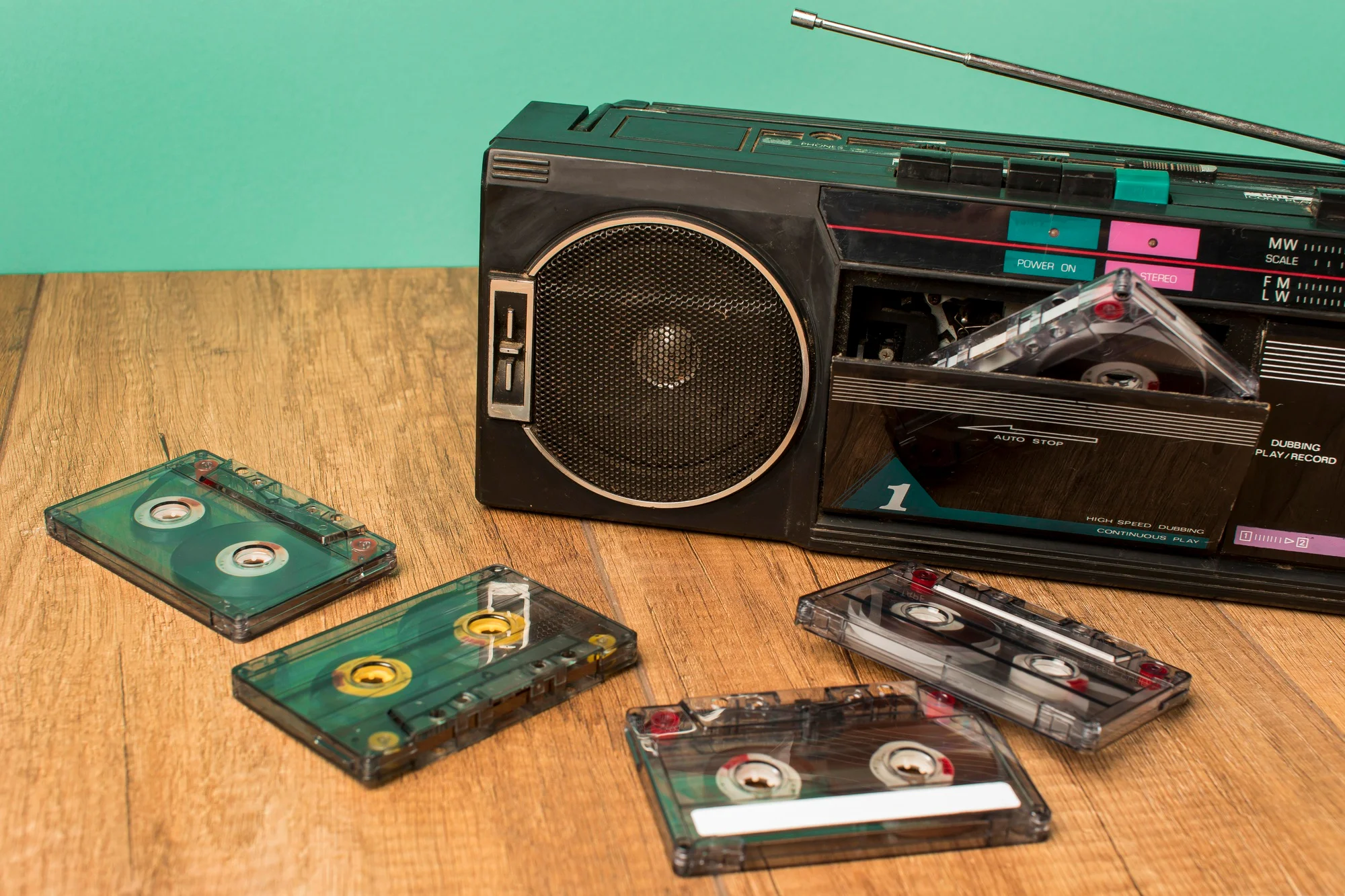
Can Audio Tapes Be Restored? What Can Be Saved
A cassette with a parent’s voice, a reel-to-reel recording of a church service, or an old answering-machine message may look like a small plastic object. But the sound on it can be one of the few remaining connections to a person, place, or moment. So, can audio tapes be restored? Often, yes. Many damaged or aging recordings can be stabilized, repaired, and transferred to a digital file, but the result depends on the tape’s condition, format, and history.
The most valuable rule is simple: do not keep testing an old tape on a player that has not been cleaned or serviced. Every playback puts the recording in contact with moving parts, and a failing machine can wrinkle, stretch, or break fragile tape. Careful handling now can make the difference between a recoverable recording and a permanent loss.
Can Audio Tapes Be Restored After Years in Storage?
Audio tape is made of a thin plastic base coated with magnetic material. That coating holds the sound, but it does not last forever. Heat, humidity, dust, smoke, mold, poor storage, and repeated playback can all affect it. Cassettes, reel-to-reel tapes, microcassettes, eight-track cartridges, and other analog formats each have their own weak points.
Restoration does not always mean making an old tape sound brand new. A realistic goal is to preserve as much of the original recording as possible, reduce avoidable playback problems, and create a stable digital copy before the tape deteriorates further. Sometimes the improvement is dramatic. Other times, the recording will still include hiss, dropouts, muffled sections, or background noise because those issues were recorded decades ago or resulted from damage that cannot be fully reversed.
Even when a tape sounds rough, its message may still be completely understandable. For a family recording, the sound of a familiar laugh or a few spoken words can matter far more than studio-quality audio.
Common Problems That Can Often Be Repaired
A professional assessment begins with the tape itself, not with pressing play. The cassette shell, reels, leader, tape pack, and exposed magnetic tape all offer clues about what happened over time.
Broken tape is one of the most common issues. This can happen when a cassette is pulled into a machine, when a tape is dropped, or when the adhesive joining the tape to its leader fails. In many cases, the damaged section can be carefully spliced so the recording can be played and transferred. The missing moment at the break cannot be recreated, but the rest of the tape may be saved.
A tape may also be tangled, loose, or unevenly wound. If tape has spilled from the cassette, winding it back by hand without proper tools can crease or twist it. A technician can inspect the tape path, correct the wind, and move the reels into a replacement shell when the original housing is cracked, warped, or no longer turns smoothly.
Mold is another concern, particularly for tapes stored in Florida garages, attics, sheds, or other humid spaces. Mold can appear as white, gray, or fuzzy residue on the tape or cassette components. It can damage the recording and contaminate playback equipment. Moldy tapes should be isolated in a bag or container and handled by someone equipped to clean them safely.
Some open-reel and cassette tapes develop binder problems, often called sticky-shed syndrome. The tape may squeal, leave residue on a machine, or resist movement during playback. Certain tape formulations can sometimes be temporarily stabilized through controlled treatment, allowing a careful transfer. This is specialized work. Trying home remedies can permanently damage the tape or make it unsafe to play.
What Restoration Cannot Always Fix
There are limits, and an honest preservation service should explain them. If a section of tape is missing, severely stretched, or scraped down to the base, the sound stored in that area may be gone. If water damage has caused layers to fuse together, separating them can be risky. Severe mold, heavy chemical contamination, or a tape exposed to extreme heat may also limit what can be recovered.
A recording may have been made at a low volume, with a distant microphone, or in a noisy room. Digital cleanup can reduce some hiss, hum, clicks, and background noise, but aggressive filtering can also make voices sound thin or unnatural. The best approach depends on the recording. A wedding toast, military interview, or message from a loved one deserves a different level of cleanup than a casual radio recording.
That is why preservation is not a promise to erase every flaw. It is a careful effort to capture the best possible version of what remains.
Why the Right Playback Equipment Matters
Audio tapes are not one-size-fits-all. A standard cassette, microcassette, MiniCassette, reel-to-reel tape, DAT tape, or eight-track cartridge requires compatible equipment and the knowledge to use it correctly. Even within one format, speed and recording settings matter. A reel recorded at one speed will sound too fast or too slow if played back incorrectly.
The playback deck must be clean, aligned, and mechanically sound. Worn belts, dirty heads, failing pinch rollers, or poor speed control can create problems that are not actually on the original tape. In the wrong machine, a fragile cassette can be damaged in seconds.
During transfer, the audio should be captured at a high-quality digital setting and monitored from beginning to end. This allows the operator to catch a tape that starts sticking, changes speed, or has a damaged section requiring attention. It also ensures the finished digital file is organized and easy for your family to use.
How Audio Tape Restoration and Transfer Works
The process usually starts with an inspection and gentle cleaning of the cassette or reel exterior. If the tape needs repair, that work is completed before playback. A damaged shell may be replaced, a broken leader may be spliced, or a loose tape pack may be corrected.
The recording is then played on appropriate equipment and transferred in real time to a digital master. Real time matters because the recording must be monitored as it plays. When appropriate, careful audio adjustments can improve listening comfort by reducing persistent hiss, hum, or distracting noise without removing the character of the original voice or performance.
After capture, the digital file can be delivered in a practical format for computers, phones, and sharing with relatives. It is wise to keep more than one copy. Save one on a computer or external drive and another in a separate location. A digital file is far easier to duplicate than an aging tape, but it still needs a backup plan.
At Hernandez Video, each audio project is handled with the same care given to family videotapes, film reels, slides, and photographs. The goal is not simply conversion. It is to help protect the voices and moments your family cannot replace.
What You Should Do Before Sending in Old Tapes
Avoid playing tapes that smell musty, show visible mold, have loose tape hanging from the shell, or have already been chewed by a player. Do not use adhesive tape to repair a break, and do not try to clean mold with household cleaners. These quick fixes can leave residue or create damage that complicates a later transfer.
Instead, label each item with any details you know: the people involved, approximate date, recording speed if known, and whether the tape has special importance. If one cassette contains a final voicemail, an interview with a grandparent, or a rare performance, say so. That context helps guide careful handling and makes the finished files easier to identify years from now.
Keep tapes upright in their cases, away from speakers, magnets, direct sunlight, cars, attics, and damp storage areas. Room-temperature indoor storage is best. If you have a large collection, do not wait until every tape shows signs of failure. Starting with the oldest, most fragile, or most meaningful recordings is a practical way to protect what matters first.
The Best Time to Restore a Tape Is Before It Fails
Many people wait until an old cassette will no longer play. By then, the recording may be harder to recover and more expensive to handle. A tape that still plays normally is usually the best candidate for a clean, faithful digital transfer.
If you have boxes of old audio recordings, begin with the one voice you would be most devastated to lose. Preserving that sound now can give your family something lasting to hear, share, and remember.